Here’s how we can assist you:
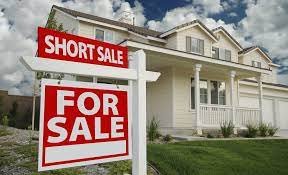
Assessment and Consultation: We’ll start by evaluating your financial situation and property value to determine if a short sale is the right option for you. We offer personalized consultations to address your concerns and outline your best course of action.
Hardship Letter Assistance: Our team will help you draft a compelling hardship letter that clearly explains your financial difficulties to the lender. We ensure that it effectively communicates your situation and increases your chances of approval.
Financial Documentation: We’ll guide you in gathering and organizing the necessary financial documents required by the lender, making sure everything is complete and accurate to facilitate a smooth approval process.
Negotiation with Lenders: We handle the negotiation process with your mortgage lender, working to secure their approval of the short sale terms. Our experience helps us navigate lender requirements and negotiate favorable terms for you.
Market Analysis and Pricing: We provide a thorough market analysis to set a competitive sale price for your property. Our goal is to attract buyers while ensuring the sale price meets the lender’s expectations.
Streamlined Process: From finding potential buyers to managing paperwork and coordinating with the lender, we handle all aspects of the short sale process. Our team ensures that everything progresses efficiently and that you are kept informed throughout.
Legal and Financial Guidance: We work with legal and financial experts to address any concerns you may have about potential liabilities or impacts on your credit score, ensuring you have a clear understanding of your situation.
Let us take the stress out of your short sale experience. Contact us today for a confidential consultation and see how we can help you achieve a smoother transition during this challenging time.




 The real estate listing information and related content displayed on this site is provided exclusively for consumers’ personal, non-commercial use and may not be used for any purpose other than to identify prospective properties consumers may be interested in purchasing. This information and related content is deemed reliable but is not guaranteed accurate by elevateMLS.
 Pueblo Association of REALTORS®, Inc. All information deemed reliable but not guaranteed. All properties are subject to prior sale, change or withdrawal. Neither listing broker(s) or information provider(s) shall be responsible for any typographical errors, misinformation, misprints and shall be held totally harmless. Listing(s) information is provided for consumer's personal, non-commercial use and may not be used for any purpose other than to identify prospective properties consumers may be
